Global market demands for outdoor lighting
safety requirements
Electrical safety: Each country has strict electrical safety standards, such as the LVD Low Voltage Directive of the European Union, whose core standard EN 60598 series focuses on product electrical safety, mechanical structure, heat and fire resistance, anti electric shock protection, etc; UL 1598 (Fixed Luminaires) and UL 1838 (Low Voltage Landscape Lighting Systems) are common safety standards in North America, and products certified through these standards can better ensure user safety.
Mechanical safety: Outdoor lighting fixtures need to have a certain mechanical strength to cope with possible collisions, vibrations, and other outdoor situations. The IK protection level is used to evaluate the protective ability of the shell against external mechanical impacts, such as IK08, IK10, etc.
Energy efficiency requirements
EU ERP Directive: There are mandatory requirements for energy efficiency of energy related products, involving energy efficiency levels, luminous flux maintenance rates, switching cycles, etc. The products need to be registered in the EU database.
American Energy Star: It is an energy efficiency certification program in the United States that sets standards for the energy efficiency performance of outdoor lighting products. Products that meet the requirements can obtain the Energy Star logo, making them more competitive in the market.
Electromagnetic compatibility requirements
The EU EMC Directive: The core standards are EN 55015 (emission) and EN 61547 (immunity), ensuring that the electromagnetic interference generated by outdoor lighting products does not affect other equipment, while also being able to resist external interference and work normally.
FCC certification in the United States: It is a mandatory certification for products entering the US market, mainly controlling electromagnetic compatibility to ensure that products do not produce excessive electromagnetic interference. For lamps with wireless functions, they are also required to comply with the specifications of wireless RF devices.
Environmental adaptability requirements
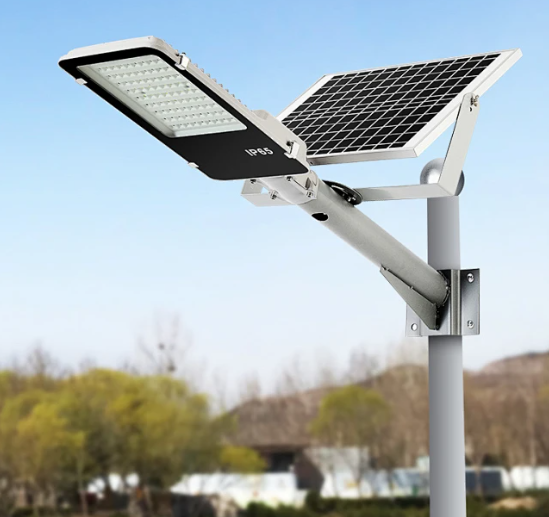
IP protection level: It is a necessary testing item for outdoor lighting, used to measure the ability of lamps to prevent dust and water. Common IP ratings include IP65 (anti water spray), IP66 (anti violent water spray), IP67 (anti short-term immersion), etc.
Other environmental tests include high and low temperature testing, humidity and heat testing, salt spray testing, UV aging testing, etc. Salt spray testing mainly evaluates the corrosion resistance of lighting fixtures and is suitable for environments such as coastal areas; The UV aging test is used to evaluate the ability of plastic materials to resist ultraviolet radiation, ensuring that the lamps will not rapidly age and damage under long-term sun exposure.
Other requirements
Intelligent functional requirements: With the development of intelligent lighting technology, some markets have certain requirements for the intelligent functions of outdoor lighting fixtures, such as supporting remote control, automatic brightness adjustment, and integration with other intelligent systems. If the lighting fixture integrates wireless control functions such as Bluetooth, Wi Fi, LoRa, Zigbee, etc., additional compliance with the RED Wireless Device Directive is required in the European Union.
Light pollution control requirements: Some regions have requirements for outdoor lighting light pollution control, limiting the light diffusion angle and brightness limit of lamps to reduce the impact on the surrounding environment and residents' lives.